
PM Mark Carney Rules Out China Trade Deal as Trump Warns Tariffs
By Global Leaders Insights Team | Jan 26, 2026
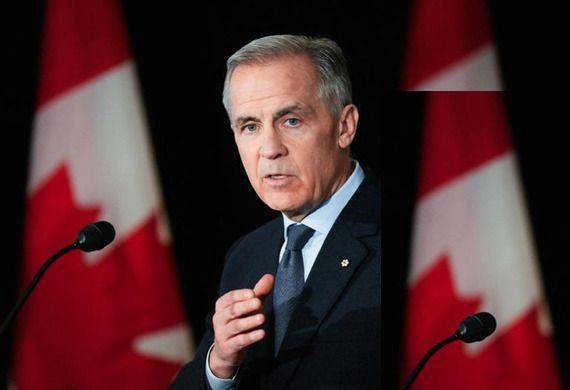
As tensions mount in North American trade relations, Canadian Prime Minister Mark Carney has firmly stated that Canada has no plans to pursue a free trade agreement with China, even as U.S. President Donald Trump warned of steep tariff penalties if Ottawa moves forward with such a deal. The dispute has underscored widening policy differences between the two neighbours and raised fresh questions about the future of continental trade cooperation.
Key Highlights
- Canada says it has no plans for a China trade pact despite Trump’s tariff threat.
- U.S. warns steep tariffs could follow if Canada allows expanded Chinese market access.
Carney’s comments came after Trump threatened to impose a 100 percent tariff on Canadian goods if Canada finalises a trade pact with China, a move the U.S. administration argues could undermine American markets by providing a backdoor for Chinese exports. Ottawa has rejected the notion of a comprehensive free trade agreement with Beijing, emphasising that recent talks were focused on resolving specific tariff issues rather than establishing broader market access.
Under the recent framework, Canada agreed to cut its 100 percent tariff on imported Chinese electric vehicles and allow up to 49,000 EVs annually at a 6.1 percent tariff, in exchange for lower Chinese duties on Canadian agricultural products such as canola, lobster and peas. The agreement also includes provisions to reduce China’s tariff on canola to about 15 percent and expand visa-free entry for Canadian visitors.
The U.S. response, articulated by Treasury Secretary Scott Bessent, reiterated that 100 percent tariffs could be applied if Canada pursued what Washington considers a full free trade arrangement with China, framing the threat as a defence against potential “dumping.” Trump himself amplified this stance on social media, alleging that Canada was allowing China to gain undue economic influence.
Also Read: Trump Withdraws Canada’s Invitation to Join 'Board of Peace'
Carney, however, has underscored that Canada remains committed to its existing trade commitments under the United States–Mexico–Canada Agreement (USMCA), which requires notification and consultation with partners before entering into agreements with non-market economies. The Canadian government has maintained that its engagement with China was limited in scope and aimed at stabilising specific trade frictions rather than rewriting broader trade policy.
The escalating rhetoric has stirred debate in Ottawa and Washington over broader strategy, with Canadian officials stressing the importance of diversification and strategic partnerships, while U.S. policymakers warn of risks to North American industries. The situation continues to evolve as each country balances trade sovereignty with geopolitical pressures and market interests.
Magazine Deck


