U.S. Won't Release Full Unedited Boat Strike Video, Says Pentagon
By Global Leaders Insights Team | Dec 17, 2025
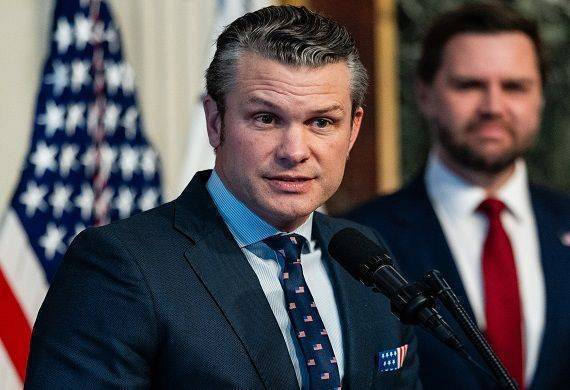
The U.S. Defense Department does not plan to release the full unedited boat strike video of a September 2 military strike on a suspected drug-smuggling boat in the Caribbean, Defense Secretary Pete Hegseth said on Tuesday, despite growing pressure from lawmakers and transparency advocates.
Hegseth said the video remains classified and will be shown only to members of the House Armed Services Committee and Senate Armed Services Committee. He added that Pentagon policy restricts the public release of footage that could expose operational details, intelligence sources, or military tactics.
The issue surfaced after lawmakers were briefed on the U.S. military operations targeting narcotics trafficking vessels in the Caribbean and eastern Pacific. According to U.S. officials, the campaign began in September and has involved more than 20 strikes.
- Pentagon says it will not release full unedited video of Caribbean boat strike
- US military limits access to boat strike footage amid legal and human rights concerns
- Lawmakers debate transparency as Pentagon defends secrecy over counter-narcotics strikes
The operations are part of a broader counter-narcotics effort aimed at disrupting cocaine trafficking routes into the United States.
The strike in question has drawn scrutiny following reports that a second strike hit the same boat after the initial attack, killing two individuals who had survived the first impact. Some Democratic lawmakers and human rights groups have questioned whether the follow-up strike complied with U.S. rules of engagement and international law.
Critics argue that releasing the complete video footage would allow independent assessment of the events and help determine whether U.S. forces acted within legal and ethical boundaries. They say selective disclosures and summaries are insufficient in cases involving civilian deaths.
Republican lawmakers have defended the Pentagon’s position, saying the U.S. military must retain discretion over sensitive material and warning that public release could endanger future military operations. Supporters of the campaign describe it as a necessary response to organized drug trafficking networks operating in international waters.
The operations have also been linked by U.S. officials to broader pressure on Venezuelan President Nicolás Maduro, whom Washington accuses of benefiting from drug trafficking. The administration has not indicated any change in policy following the controversy.
Also Read: Trump Chief of Staff Calls President 'Alcoholic,' Targets Elon Musk
The decision not to release the video is expected to remain a point of debate in Congress, where some lawmakers are calling for tighter oversight of military actions conducted as part of counter-narcotics missions.
.jpg)