
Iran's Araqchi to Visit Beirut After Lebanon Declines Tehran Trip
By Global Leaders Insights Team | Dec 12, 2025
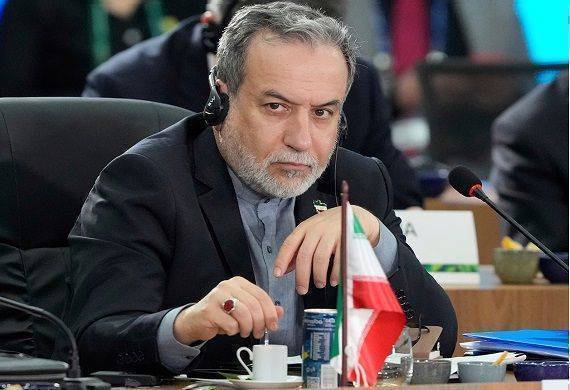
Iran’s Foreign Minister Abbas Araqchi will travel to Beirut for talks with Lebanese Foreign Minister Youssef Raji after Raji declined an invitation to visit Tehran.
The decision, announced by Lebanese officials on Thursday, followed a period of heightened regional sensitivity and close diplomatic monitoring.
Raji cited “current conditions” for declining the Tehran trip but said the move did not signal a shift in Lebanon–Iran relations. He stated that Lebanon remained open to direct discussions and proposed hosting the meeting in Beirut, a suggestion Iran accepted.
Araqchi confirmed his visit on X, stating he would attend talks in Beirut. He described Raji’s decision as unusual for countries with regular diplomatic ties but said he would proceed to maintain dialogue.
- Iran’s Foreign Minister Abbas Araqchi will visit Beirut after Lebanese FM Youssef Raji declined a trip to Tehran
- Lebanon cites current regional conditions and sovereignty principles as reasons for hosting the meeting locally
- The talks come amid rising Middle East tensions and ongoing debates over Hezbollah’s role in Lebanon’s security structure
He also referred to ongoing Middle East tensions, including security conditions and ceasefire violations involving Israel, as possible factors behind Lebanon’s preference for holding the meeting on its own territory.
Lebanese officials emphasized that any diplomatic engagement must reflect the country’s principles of sovereignty and non-interference. Raji has stated that strengthening state institutions requires full government control over all armed forces, a position connected to Lebanon’s internal debate regarding Hezbollah and its weapons. Hezbollah, backed by Iran, remains central to discussions on national defense and security policy.
Araqchi’s visit comes as international partners, including the European Union, review options to support Lebanon’s internal security structure. These assessments highlight broader concerns about regional stability, political fragmentation, and ongoing confrontations across the Middle East.
Also Read: Thai PM Moves to Dissolve Parliament, Prompting Snap Elections
Both ministers are expected to outline their positions on bilateral coordination, regional developments, and internal Lebanese security matters. While the meeting venue has been settled, neither side has released details on the agenda or expected outcomes. The Beirut visit marks a key moment in maintaining structured communication during an active period of regional diplomatic negotiations.
.jpg)