
South Korea's Former Prime Minister Lee Hae-chan Dies in Vietnam at 73
By Global Leaders Insights Team | Jan 26, 2026
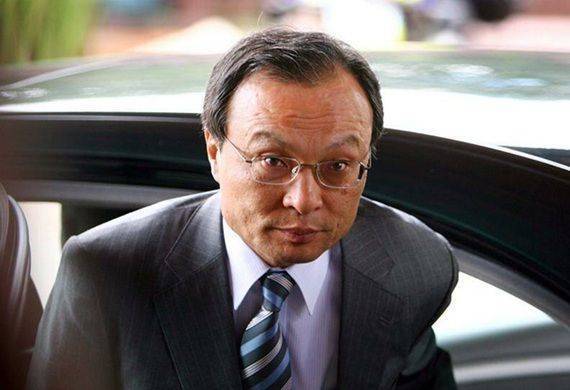
Former South Korean prime minister Lee Hae-chan died on January 25, 2026, while on an official visit to Vietnam, South Korean authorities confirmed. He was 73.
Lee collapsed after suffering a heart attack in Ho Chi Minh City and was taken to a local hospital, where he later died despite emergency medical treatment. He had been in Vietnam to attend meetings linked to regional cooperation and inter-Korean policy discussions.
At the time of his death, Lee was serving as senior vice chairperson of South Korea’s Peaceful Unification Advisory Council, a presidential advisory body that provides recommendations on relations with North Korea. His visit to Vietnam was part of broader diplomatic engagements in Southeast Asia.
- Lee Hae-chan dies at 73 during official visit to Vietnam
- Former South Korea PM Lee Hae-chan collapses in Ho Chi Minh City
- Veteran democracy leader’s death marks end of era in South Korean politics
Born in 1952, Lee emerged as a prominent figure during South Korea’s pro-democracy movement, first gaining national attention as a student activist under military rule. He was imprisoned in the 1970s for his political activities, an experience that shaped his long involvement in democratic politics.
Lee went on to serve seven terms in the National Assembly and held several senior government posts, including minister of education. He was appointed prime minister in 2004 under President Roh Moo-hyun, serving until 2006. During his tenure, he played a role in education reform and social policy, while also navigating political tensions at home.
Later, Lee led the Democratic Party of Korea and remained an influential strategist within liberal political circles. He was known for his direct style, firm positions on policy, and continued involvement in party organisation and election planning even after stepping back from frontline leadership roles.
Following news of his death, South Korean leaders across the political spectrum issued statements expressing condolences, describing Lee as a central figure in the country’s democratic development. Vietnamese officials also conveyed sympathies, acknowledging his role in strengthening ties between Seoul and Hanoi.
Also Read: PM Mark Carney Rules Out China Trade Deal as Trump Warns Tariffs
Lee Hae-chan’s death closes a long chapter in South Korean politics, marked by decades of legislative work, party leadership, and engagement in national and regional affairs.
Magazine Deck


