
Joint Arctic Security Pact Could Resolve Greenland Dispute, Says Lithu
By Global Leaders Insights Team | Jan 21, 2026
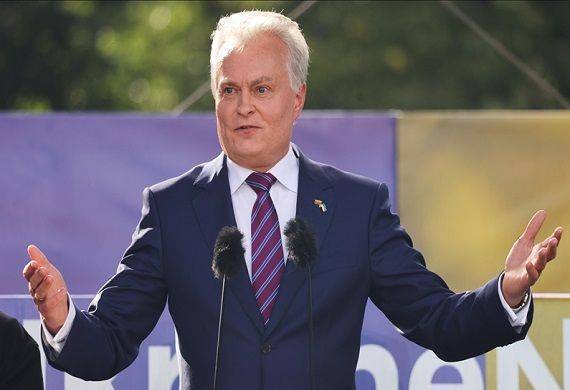
Lithuanian President Gitanas Nausėda said on Tuesday that a joint Arctic security agreement covering the North Atlantic security region could help end a growing dispute between the United States and Europe over Greenland, warning that tensions among allies risk undermining broader transatlantic relations.
Speaking on the sidelines of the World Economic Forum Davos, Nausėda said recent remarks by U.S. President Donald Trump about acquiring Greenland had unsettled European governments and raised concerns within NATO unity.
Trump has renewed his long-standing argument that Greenland is strategically vital for US national security and has refused to rule out the use of force to bring the island under American control.
- Gitanas Nausėda backs joint Arctic pact to ease Greenland tensions
- Lithuanian leader warns Greenland dispute risks straining NATO unity
- Arctic security deal could address US concerns without changing Greenland sovereignty
Greenland is an autonomous territory of Denmark, which has firmly rejected any suggestion of a transfer of sovereignty. Danish officials have said Greenland’s future can only be decided by its own population, while European leaders have stressed that borders cannot be changed by coercion or political pressure.
Nausėda said the focus should shift from ownership disputes to shared security responsibilities. A formal transatlantic framework on Arctic defence cooperation, infrastructure protection and freedom of navigation could address U.S. strategic concerns while respecting international law and existing alliances, he added.
The Lithuanian president warned that public disagreements among Western allies play into the hands of adversaries at a time when Europe remains focused on supporting Ukraine amid the ongoing Ukraine war. He said unity within NATO was critical and that unresolved disputes weaken deterrence across the region.
Greenland has gained strategic importance in recent years because of Arctic geopolitics, melting ice, emerging shipping routes and competition over natural resources. The island also hosts a key U.S. military base that forms part of missile defence and early-warning systems.
Also Read: Europe Holds Line at Davos as CEOs Urge Calm Response to U.S.
Nausėda said a negotiated Greenland security deal could stabilise relations, reduce political friction and reinforce cooperation in a rapidly changing Arctic environment.
Magazine Deck


