
Bulgaria President Rumen Radev Resigns, Deepening Political Uncertaint
By Global Leaders Insights Team | Jan 20, 2026
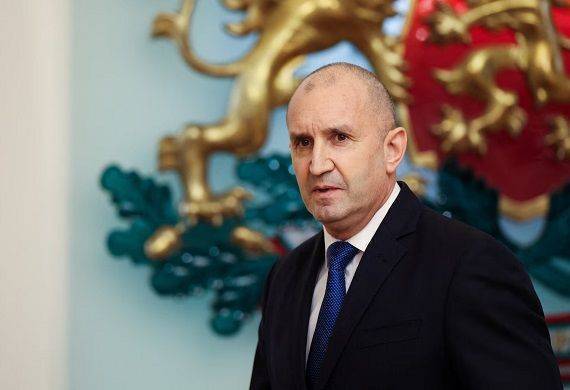
Bulgaria’s President Rumen Radev announced his resignation on Monday, cutting short his second term and intensifying the Bulgarian political crisis that has gripped the country for several years.
In a televised address, Radev said the speech would be his last as head of state and confirmed he would formally submit his resignation to the Bulgarian Constitutional Court on Tuesday. Once approved, Vice President Iliana Iotova interim president is expected to assume office until Bulgaria snap elections are held.
The move means Rumen Radev steps down more than a year before his mandate was due to end in January 2027. His exit makes him the first head of state to resign voluntarily since Bulgaria’s transition from communism.
- Rumen Radev resigns, deepening Bulgaria’s political uncertainty
- Bulgaria president steps down ahead of term end as snap elections loom
- Radev exit leaves Bulgaria under interim leadership amid prolonged instability
The decision comes as Bulgaria political uncertainty deepens, with the country preparing for another round of Bulgaria parliamentary elections following repeated failures to form a stable government.
A former air force commander, Radev rose to prominence as an outsider backed by the Socialists and became a central figure during years of Bulgaria government instability. He has overseen multiple political deadlocks, appointing more than one Bulgarian caretaker government as rival parties failed to secure workable majorities. Public frustration has grown over corruption allegations, stalled reforms, and rising living costs.
Radev did not outline his future plans, but political observers say the Bulgaria President Rumen Radev resignation may signal a shift toward active party politics. There is growing speculation that he could launch a new political platform ahead of elections, positioning himself against traditional parties blamed for prolonged paralysis.
Any new movement would face a fragmented political landscape where coalition building has proved difficult. As EU member Bulgaria politics remain under scrutiny in Brussels and NATO capitals, the country continues to face pressure to advance judicial reform, curb corruption, and stabilise governance.
Also Read: Trump's 'Board of Peace' Raises Questions Over a Parallel Global Body
Radev’s departure reshapes the balance of power but leaves Bulgaria once again under temporary leadership at a decisive moment.
Magazine Deck


