
Trump Invites Netanyahu to White House After Call on Gaza and Syria
By Global Leaders Insights Team | Dec 02, 2025
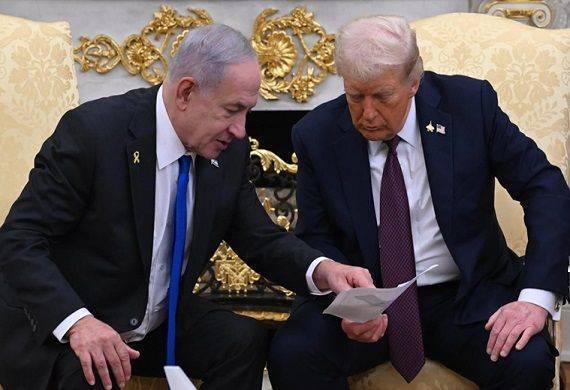
Israeli Prime Minister Benjamin Netanyahu held a phone call with U.S. President Donald Trump on Sunday, during which Trump invited him to visit the White House “in the near future,” according to a statement from Netanyahu’s office.
The call focused on security developments following the Gaza ceasefire and ongoing regional negotiations involving Syria.
Netanyahu’s office said the two leaders discussed measures to ensure the demilitarisation of the Gaza Strip and prevent the re-arming of Hamas following the recent conflict. The conversation comes as Israel continues to press for international backing to control weapons smuggling routes and maintain pressure on Hamas leadership.
- Trump Invites Netanyahu to White House After Call on Gaza and Syria
- Netanyahu Receives White House Invitation Following Gaza Ceasefire Talks
- Trump–Netanyahu Call Covers Gaza Security, Syria Negotiations and Regional Policy
Trump used the call to encourage further engagement with Syria’s new government. U.S. officials have previously signalled interest in exploring a non-aggression pact between Israel and Syria, though Israeli officials remain cautious due to concerns over Syria’s political direction and its security ties with regional armed groups.
The call also carried political significance, as it took place one day after Netanyahu formally requested a presidential pardon in his ongoing corruption case. While Trump has repeatedly voiced support for Netanyahu in recent months, the official statement made no reference to legal matters.
If confirmed, the White House visit will mark Netanyahu’s fifth meeting with Trump since his return to office in January 2025. Despite public displays of alignment, diplomatic sources have noted friction between the two leaders on tactical issues, including the pace of diplomatic talks with regional actors.
Also Read: Justice Department Weighs Fresh Charges Against Comey and James
The call signals continued coordination between Washington and Jerusalem as both governments attempt to shape post-conflict Gaza policy, assess shifting regional alliances, and determine next steps in negotiations involving Syria and broader Middle East stability.
Magazine Deck


