
Trump Approves Nvidia Chip Sales to China, Triggering Backlash
By Global Leaders Insights Team | Dec 10, 2025
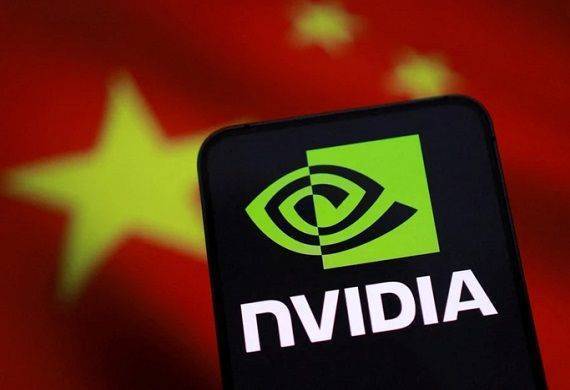
The Biden administration’s export controls on advanced U.S. chips faced a major shift after President Donald Trump approved Nvidia H200 processor sales to China.
The decision, announced on social media, immediately drew strong criticism from lawmakers and national security analysts who warned it could aid Beijing’s military applications and industrial programs.
Trump said the U.S. would impose a 25% fee on the permitted exports and suggested that similar allowances could extend to processors produced by AMD and Intel.
While he presented the move as a way to generate revenue and maintain leverage over Chinese technology buyers, critics argued the decision weakens the strategic restrictions imposed to slow China’s technology access to high-performance computing.
- Trump approves Nvidia H200 chip sales to China, sparking national security backlash
- Critics warn U.S. export shift could boost China’s AI and military capabilities
- Trump overturns strict chip controls as debate grows over tech, security and trade strategy
Opponents stated that even “scaled-down” AI chips can significantly raise China’s training capacity for advanced systems, including defence-related uses. They also warned the policy could undermine the competitive position of U.S. semiconductor firms by allowing China to gain insight into hardware that export rules were intended to limit.
The shift reflects a departure from Trump’s earlier approach, which focused on tightening access to U.S. technology. Officials who previously supported tougher rules said the policy risks reducing pressure on China to curb state-led industrial expansion. Supporters within the administration argued that controlled exports could preserve American commercial influence and discourage China from accelerating chip-design programs.
Also Read: ICC Jails Darfur Militia Leader Ali Kushayb for 20 Years
In Beijing, Beijing regulators are reportedly considering rules on who will be allowed to purchase imported H200 units, suggesting China may still apply its own limits despite U.S. approval. The situation highlights the broader geopolitical contest over technological capability, with both nations weighing economic interests against long-term security risks.
Magazine Deck


