
Moldova Starts Legal Exit From Russia Led CIS Bloc
By Global Leaders Insights Team | Jan 20, 2026
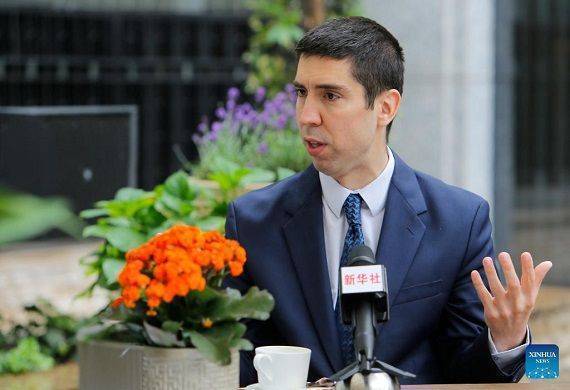
Moldova has begun the formal legal process to withdraw from the Russia-led Commonwealth of Independent States (CIS), underscoring a decisive shift away from Moscow’s political orbit and toward closer alignment with the European Union.
Foreign Minister Mihai Popsoi said the government has started procedures to denounce three treaties signed in 1991 that form the legal basis of Moldova’s CIS membership.
Once the withdrawal process is completed, Moldova will no longer have any formal obligations within the bloc. Although Chisinau halted active participation in CIS meetings and bodies in 2023, it has remained a legal member until now.
- Moldova begins legal process to leave Russia-led CIS bloc
- Move reinforces Maia Sandu’s push toward EU integration
- Chisinau denounces CIS treaties amid strained ties with Russia
The decision aligns with President Maia Sandu’s pro-European agenda. Sandu, who secured a second term in 2024, has repeatedly said Moldova’s strategic objective is EU membership by the end of the decade. Her administration has argued that CIS membership offers little economic or political benefit and primarily serves as a tool of Russian influence.
Moldova’s relations with Moscow have deteriorated since Russia’s invasion of Ukraine. Sandu has condemned the war and accused the Kremlin of using energy pressure and disinformation to destabilize her country. The government says leaving the CIS is part of a broader effort to reduce external leverage over Moldova’s institutions and policy choices.
The move has triggered domestic political debate. Pro-Russian parties, including the Socialists led by former president Igor Dodon, criticised the withdrawal, warning it could harm traditional trade ties. Sandu has also reignited controversy by saying she would support a referendum on reunification with neighbouring Romania, a topic that remains deeply divisive.
Also Read: Trump Meets Global CEOs at Davos as U.S. Policy Dominates Talks
Political analysts say the CIS exit does not mean Moldova will cut ties with former Soviet states. Instead, Chisinau plans to manage relations through bilateral agreements rather than multilateral structures dominated by Russia.
Magazine Deck


