
Australia's Hate Speech & Gun Law Reforms Stir Free Speech Debate
By Global Leaders Insights Team | Jan 15, 2026
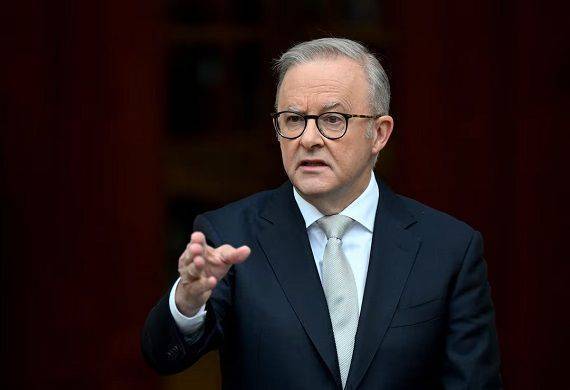
Australia’s Labor government is facing sharp political and legal debate over proposed reforms to hate speech laws and gun control reforms, introduced after the deadly Bondi Junction attack last year.
The legislation was tabled after parliament was recalled from its summer recess, underlining the government’s urgency in pushing the measures forward.
The bill seeks to strengthen federal hate speech legislation by creating new criminal offences for advocating or promoting hatred based on race or religion.
Convictions could carry prison terms of up to five years. It also expands the government’s powers to cancel visas on national security grounds and introduces tighter gun regulations, including a firearms buyback scheme for certain weapons.
- Australia’s proposed hate speech and gun law reforms spark fierce free speech debate
- Albanese government defends tougher laws amid legal and political backlash
- Critics warn new offences could threaten free expression and religious rights
Prime Minister Anthony Albanese’s government argues the reforms respond to a rise in antisemitism in Australia and extremist activity, and are necessary to prevent further acts of violence. Officials say existing laws are insufficient to deal with organised hate groups and online radicalisation, and that clearer federal offences would give police and prosecutors stronger tools.
However, the opposition Liberal and National parties have criticised the bill, warning it risks undermining freedom of speech and religious expression. Opposition leaders say the proposed definitions of hate speech are too broad and could criminalise legitimate political debate, commentary, or religious teaching. They have also questioned whether the laws would survive a High Court challenge under constitutional protections for political communication.
Civil liberties groups and some legal experts share these concerns, arguing the legislation may give authorities excessive discretion. At the same time, several Jewish and community organisations have welcomed tougher action against hate, while calling for amendments to ensure clarity and safeguards.
With the government lacking a majority in the Senate, passage of the bill is not guaranteed. Labor is expected to negotiate with crossbenchers, including the Greens, who broadly support stronger hate speech laws but want changes to protect protest rights and free expression.
Also Read: Ford CEO Says USMCA Is Vital to North American Auto Industry
As parliamentary debate continues, the proposed reforms have become a focal point in Australia’s broader struggle to balance public safety, social cohesion, and long-standing commitments to free speech.
Magazine Deck


